AC Maintenance in Hutto: Signs Your AC Needs Service Now
When your air conditioner works, you stop thinking about it. It just cools the house, day after day, without drama. In Hutto, that kind of quiet reliability matters because the heat does not politely wait its turn. It builds, it lingers, and when your system starts slipping, you usually notice it through small annoyances before it turns into a full-blown breakdown.
AC maintenance in Hutto is not about chasing problems you do not have. It is about catching the early warning signs that lead to expensive repairs, uncomfortable rooms, and the kind of “why is it doing this now?” moments that hit hardest during the hottest weeks of the year. Below are the real clues I look for in HVAC repair in Hutto calls, along with what they usually mean and what you can do before the damage spreads.
The Hutto reality: comfort is a system, not a setting
A lot of homeowners treat the thermostat like a magical remote control. If the house feels warm, you crank the temperature down and wait. But an AC is not only about the thermostat reading. It has to move air, remove humidity, and keep internal components within safe operating temperatures.
In the summer heat around Hutto, the system also faces extra strain from hot duct runs, high indoor humidity, and the simple fact that air conditioners are working harder for longer. Even when parts are still functioning, they can be underperforming, and underperformance quickly turns into wear.
That is why AC maintenance in Hutto is so valuable. Routine checks help the system stay balanced so it cools efficiently, dehumidifies properly, and avoids the chain reaction that happens when one component starts dragging.
Signs your AC needs service now
Here are the most common “schedule it now” signals I see. Some are safety-related, others are efficiency related, but each one can worsen fast if you ignore it.
- Your AC runs, but the house never reaches the set temperature, or it takes a long time to cool down.
- You feel air blowing from vents, but it is noticeably warmer than usual or uneven from room to room.
- The system turns on and off rapidly, or you hear frequent clicking and short cycling.
- You smell burning, musty odors that keep returning, or see unusual smoke-like haze.
- You notice water pooling around the indoor unit, a clogged drain line behavior, or repeatedly rising indoor humidity.
If one or more of these shows up, you do not want to wait for “later.” You want diagnostics. Most AC problems have a root cause, and troubleshooting early saves you from the situation where a simple fix becomes a compressor-level repair.
When the AC runs but never cools: the hidden reasons
If your system keeps running yet the temperature stays stubbornly high, the usual suspect is airflow or heat removal. Airflow problems are especially common in homes where filters are changed only when someone remembers, or where return vents and supply vents are blocked by storage, rugs, or furniture.
Low airflow makes the indoor coil colder and allows moisture to build in places it should not. It also makes the evaporator work less efficiently and can cause the unit to struggle against head pressure outside. Depending on the system design, that can lead to higher electrical draw and shorter run times.
Another possibility is refrigerant imbalance, which can stem from a leak. Refrigerant issues are not always obvious, because you can still get some cooling. The problem is that the system is not removing heat as effectively as it should. Over time, an undercharged or overcharged system can stress components.
If you are calling for HVAC repair in Hutto, this is where technician judgment matters. A quick “it is probably low on refrigerant” guess wastes time and money. The right approach is measuring indoor and outdoor temperatures, checking pressures (or the system’s equivalent diagnostic readings), confirming airflow, verifying the thermostat and control behavior, then deciding what needs correction.
Uneven cooling and hot rooms: the airflow story, plus duct realities
Uneven temperatures, like one bedroom that stays warm while the hallway chills, often points to duct airflow problems. Sometimes the supply is restricted. Sometimes the return is insufficient. Sometimes dampers are stuck. And sometimes a room has a duct that is undersized or poorly balanced from the start.
In homes with long duct runs or leaky ductwork, part of the system’s cooling is wasted on the journey from the indoor unit to the living space. The AC Repair in Hutto AC may still “turn on,” but the house never gets what it paid for. You might notice stronger airflow in some registers and weak flow in others. You might also see condensation where you do not expect it, or dry spots where you should feel consistent airflow.
One personal example that still sticks with me: a homeowner called during a humid spell. The unit was running, but the master bedroom was warm and muggy. The rest of the house felt fine. The filter was “new,” but it was the wrong size and not seated properly. The return air was being pulled unevenly, and the indoor coil was not feeding the rooms the way the system intended. Once the airflow was corrected, the AC did what it was supposed to do without any refrigerant changes.
Short cycling: the telltale sign something is out of balance
Short cycling is when the air conditioner starts, runs briefly, and shuts off again and again. It can look like the system is trying hard, but it is not actually completing the cooling cycle. Short cycling robs the system of stable temperatures and increases stress on electrical components.
There are several reasons short cycling happens. A dirty indoor coil can reduce heat transfer. An airflow restriction can cause the system to reach protective limits quickly. A thermostat issue, incorrect wiring, or a control board malfunction can also contribute. In some cases, a refrigerant problem or an outdoor unit performance issue causes the system to hit pressure or temperature limits sooner than expected.
What matters is that short cycling usually leads to higher wear. It is not just uncomfortable, it can shorten the life of key components. If you see it, treat it as an “act now” sign, not a quirky behavior you can ignore.
Odors and air quality: when the smell is the message
Musty smells often point to moisture in or around the system. That can happen when the drain line is clogged or slow, allowing condensation to sit longer than it should. It can also happen when the indoor coil stays wet because airflow or temperature conditions are wrong.
Burning odors are more urgent. They can come from electrical insulation, a failing fan motor, damaged wiring connections, or overheated components. If you smell burning, do not keep resetting the thermostat and “hoping it goes away.” Turn the system off and have it checked promptly.
If you notice odors that only appear when the AC turns on, it is usually tied to the airflow path, not the rest of the house. That is a useful clue. Technicians can often trace the smell to whether it originates at the evaporator, the air handler area, the blower compartment, or sometimes the outdoor unit and the way it draws air.
Water near the indoor unit: the drain line warning
In a well-functioning AC system, condensation drains away through a dedicated line and then to a safe outlet. When you find water pooling around the indoor unit, it often means the drain line is clogged, the slope is off, the condensate pan is full, or the drain trap is blocked.
Sometimes the first sign is a faint trickle, then a puddle, then water damage. That is why AC maintenance in Hutto should include checking the condensate drain and the condition of the drain line. Preventive maintenance can keep minor clogs from becoming emergency calls.
If the drain line is partially blocked, the system may still cool, but the indoor coil area can develop excess moisture. That moisture contributes to musty odors, increases the odds of microbial growth, and can corrode parts over time.
Why delayed maintenance turns into expensive repairs
A lot of homeowners assume repair is only necessary after the system fails. But most “major” HVAC problems start as smaller symptoms. Here is how the delay often plays out.
When airflow drops, the unit does not transfer heat well. The system compensates by running longer and working harder. That increased workload can raise electrical stress and contribute to premature part failure. Meanwhile, moisture is not removed efficiently, which affects indoor comfort and can damage components.
When refrigerant balance is off, the system can run with abnormal pressures and temperatures. That can lead to compressor strain. Compressors are expensive, and they are not forgiving when the system has been out of range for weeks.
When the drain is slow or the indoor coil is dirty, moisture and airflow imbalance create the conditions for bigger problems. Dirt on the coil reduces heat transfer, and the system compensates by running longer. That longer run time makes condensation issues worse.
The pattern is the same across many HVAC repair in Hutto scenarios: small inefficiencies compound. Maintenance is not just about cleaning. It is about restoring the system to safe operating conditions before the system has to “fight” to do its job.
What a real AC service visit looks like
A quality HVAC contractor is not just showing up and swapping parts. The best visits focus on measurement and careful inspection. You should expect the technician to look at the system as a set of linked processes: airflow, temperature change, refrigerant performance indicators, electrical safety, and control behavior.
In practice, that usually means verifying the thermostat settings and operation, checking filters and airflow pathways, inspecting the indoor and outdoor units for obvious restrictions, testing the blower and contactor behavior, and checking the condition of components tied to moisture removal. Depending on the system, this also includes evaluating refrigerant charge indicators through proper measurement procedures.
Jurnee Mechanical Heating & Air Conditioning is the kind of local partner you want when the goal is to keep your system steady, not just reactive. In a region like Hutto where heat and humidity can be relentless, service quality matters because the system is under load more than it is at rest.
AC installation in Hutto: the maintenance conversation you should have early
Sometimes the right answer is not repair. Sometimes a system is simply old enough or worn enough that replacement makes financial sense. That is where AC installation in Hutto comes in, but it should be discussed with the same practical mindset as maintenance.
When an older system repeatedly needs repairs, a technician should look at why. Is the system sized correctly for the home? Is it short cycling because of airflow limits? Are duct losses creating constant strain? Is the humidity control suffering because the system design does not match the home’s needs?
A new installation can fix chronic comfort problems, but only when the system is matched well to the home and installed with attention to airflow, duct connections, and proper startup checks. If you skip these details, a new unit can still struggle and still require more service than you planned.
In other words, maintenance and installation are connected. The best decisions come from understanding the system’s performance, not just the part that failed.
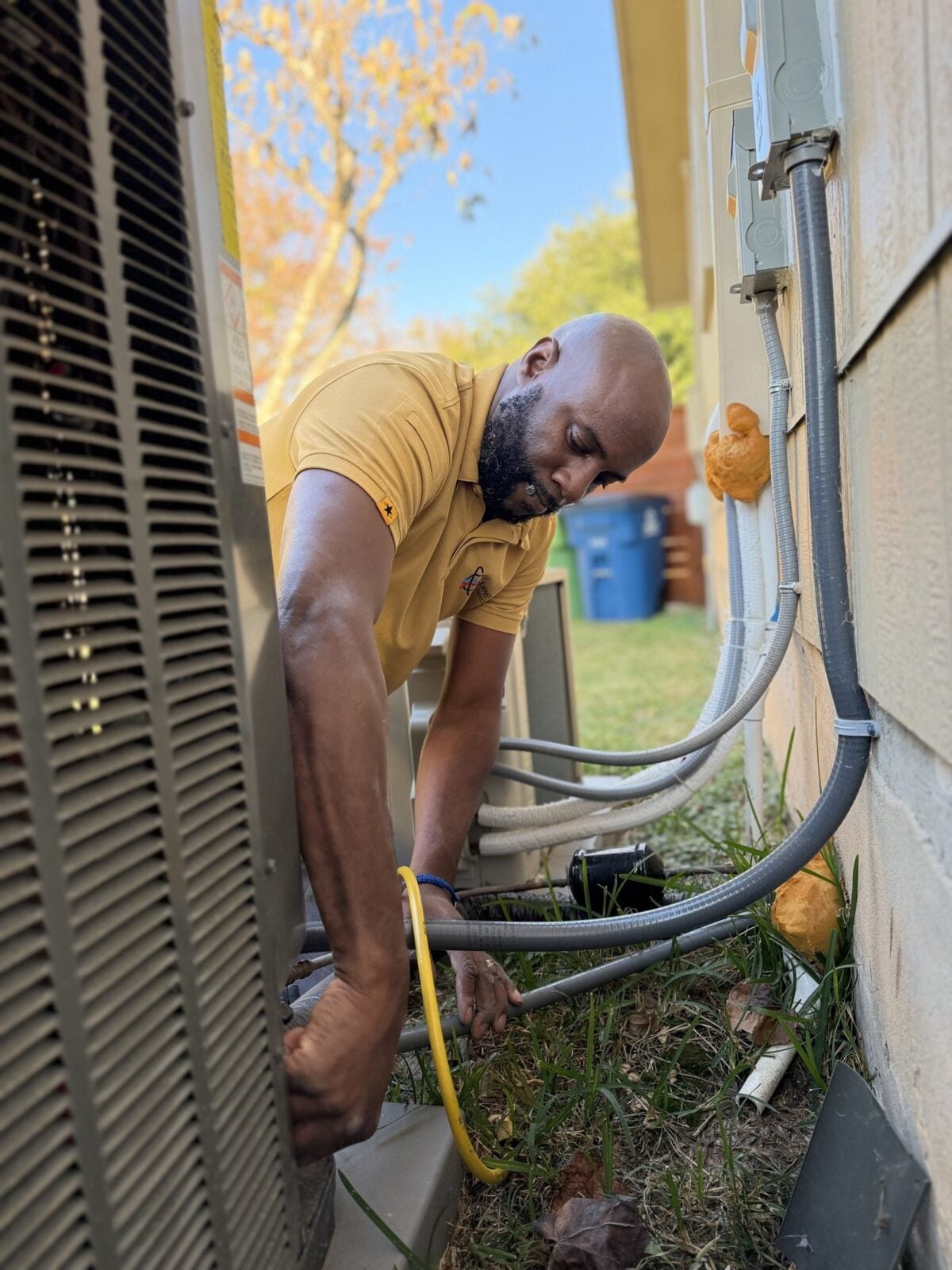
Quick checks you can do today (without turning it into a project)
You can gather useful clues without taking the risk of opening electrical panels or handling refrigerant. These are safe, homeowner-friendly observations.
First, check your air filter. If it is discolored, collapsed, or loaded with dust, replace it with the correct size. Then, watch how the system behaves after the filter change. If airflow improves, some “performance issues” were actually filtration related.
Next, feel the supply air at multiple vents. Compare room to room. If one area has weak airflow consistently, it can point to duct balancing issues or a return airflow restriction.
Listen to the outdoor unit when it runs. Does it sound like it is working normally, or does it sound strained, google.com rattly, or unusually quiet? Strange sounds are not always an automatic failure, but they are clues.
Finally, look for moisture signs. Do you see water near the indoor unit, or do you notice increased humidity indoors? Those observations help a technician narrow down what is happening.
What not to do when you suspect a problem
There are a few moves that feel helpful but often backfire. People do them because they want control, not because they are careless.
Do not keep resetting the thermostat repeatedly if the system is refusing to start. Repeated resets can mask the underlying fault and can add wear. Do not ignore burning smells or any sign of electrical arcing. If you see the blower compartment full of water or you notice water damage, stop running the system until it is evaluated.
Also, do not assume the thermostat is always the issue. Thermostats can fail, but airflow problems and coil issues cause thermostat symptoms too. In Hutto heat, it is easy to blame the thermostat because it is the only thing you “touch,” but that is not how most root causes start.
If you suspect refrigerant issues, resist the urge to “just top it off.” Refrigerant charging should be performed based on measured conditions and the system’s specifications. Guesswork is how a small leak turns into a bigger problem.
A short homeowner triage to guide your next step
If you notice one of the warning signs above, you do not need to panic. You do need a clear next move. Here is the kind of triage that usually helps without wasting time.
- If the unit short cycles or struggles to cool, schedule service soon, not later.
- If you see water pooling, check the drain line behavior and call a technician promptly.
- If there is burning or a strong electrical smell, turn the system off and prioritize an inspection.
- If cooling is uneven, verify filter condition and check airflow at multiple vents before calling.
- If the system is older and repeatedly requiring repairs, ask about repair versus replacement options.
That last point is important. Many homeowners wait until the system fully fails to have a serious conversation about replacement. A planned decision based on performance and repair history can reduce stress and cost.
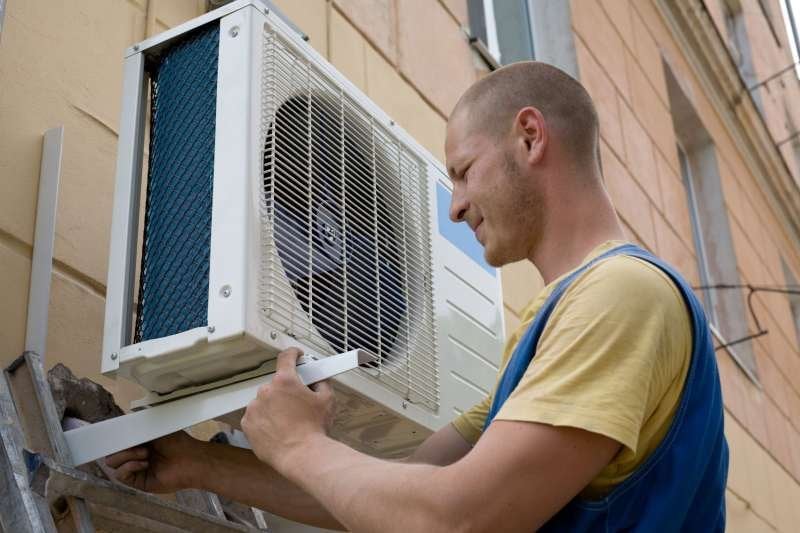
The cost of comfort: how efficiency problems show up in your bills
An AC that is not operating correctly can still cool somewhat. The temptation is to accept it because it is “not broken.” But reduced efficiency often shows up in utility bills before the system fully fails.
When the system runs longer to reach temperature, you pay more for run time. When airflow is restricted, the indoor coil can ice or get close to freezing conditions. That can damage components and increase the chance of refrigerant issues. When humidity is not removed properly, you feel uncomfortable at higher temperatures, leading you to lower the thermostat further. That creates a cycle of bigger demand.
Over time, an inefficient system becomes an expensive habit. Maintenance is cheaper than chasing the bill.
Choosing the right help in Hutto
With HVAC contractor in Hutto, you have choices. The challenge is finding a contractor who treats service as performance work, not just part replacement.
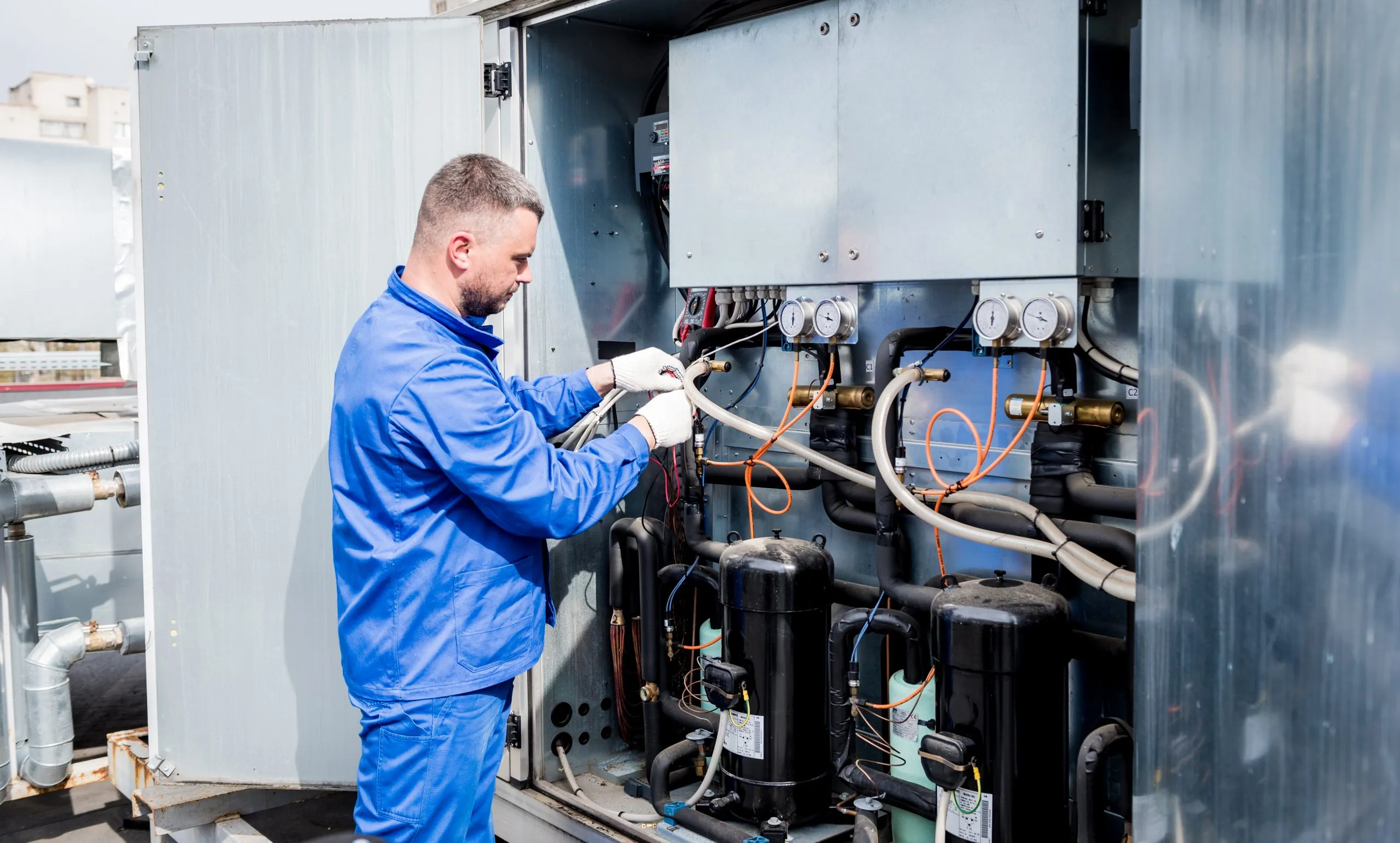
Look for someone who asks questions about your symptoms, listens to your observations, and explains what they measured. A good technician can usually describe what they saw and what it likely means, and they can outline the most reasonable next steps based on the evidence, not on fear.
Because AC Repair in Hutto often overlaps with routine maintenance expectations, the best partner will also help you prevent repeat problems. Preventive work is not glamorous, but it reduces downtime and keeps your system stable during peak season.
Keep your AC ready for the next heat spike
Hutto summers do not ease up because you are busy. The system has to be ready. If your AC shows any of the warning signs above, it is worth taking action quickly. Early service prevents the “domino effect” where one issue triggers another.
AC maintenance in Hutto should feel like insurance with details, not like a vague annual ritual. The goal is simple, reliable cooling, balanced airflow, proper humidity control, and safe operation. When that foundation is in place, you can ride out the hottest days without wondering whether the system is one bad morning away from shutting down.
If you are dealing with AC performance problems, water issues, odors, short cycling, or uneven cooling, reach out to a trusted local team like Jurnee Mechanical Heating & Air Conditioning. The quicker you get an accurate diagnosis, the more likely you are to fix the problem at its early stage, with the least disruption to your home and schedule.
Jurnee Mechanical
209 E Austin Ave, Hutto, TX 78634
(737) 408-1703
[email protected]
Website: https://jurneemechanical.com/